
Choosing the Right Drawing Pencils for Children’s Art Education
Art education is essential in nurturing children’s creativity, critical thinking, and fine motor skills. Drawing, as a fundamental form of artistic expression, allows students to visually articulate their thoughts and emotions. Drawing pencils are the primary tools that facilitate this skill development and encourage exploration. In this guide, I aim to provide schools with valuable insights on selecting the most suitable drawing pencils for children’s art education, ensuring that educators can effectively nurture young artists.
Types of Drawing Pencils
When selecting drawing pencils for educational purposes, it’s important to understand the various types available:
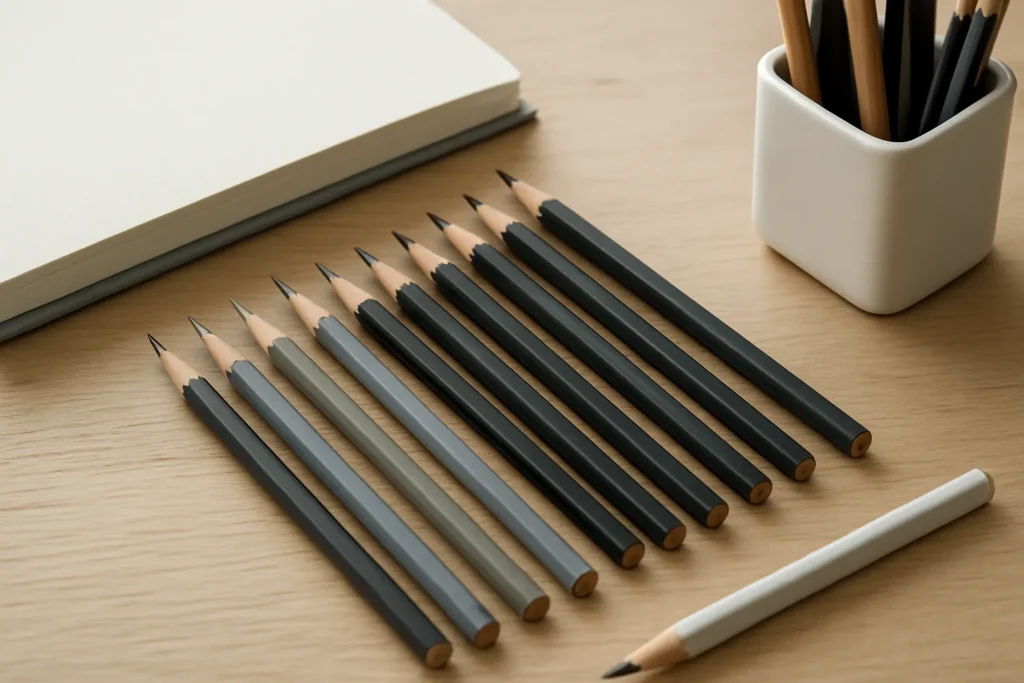
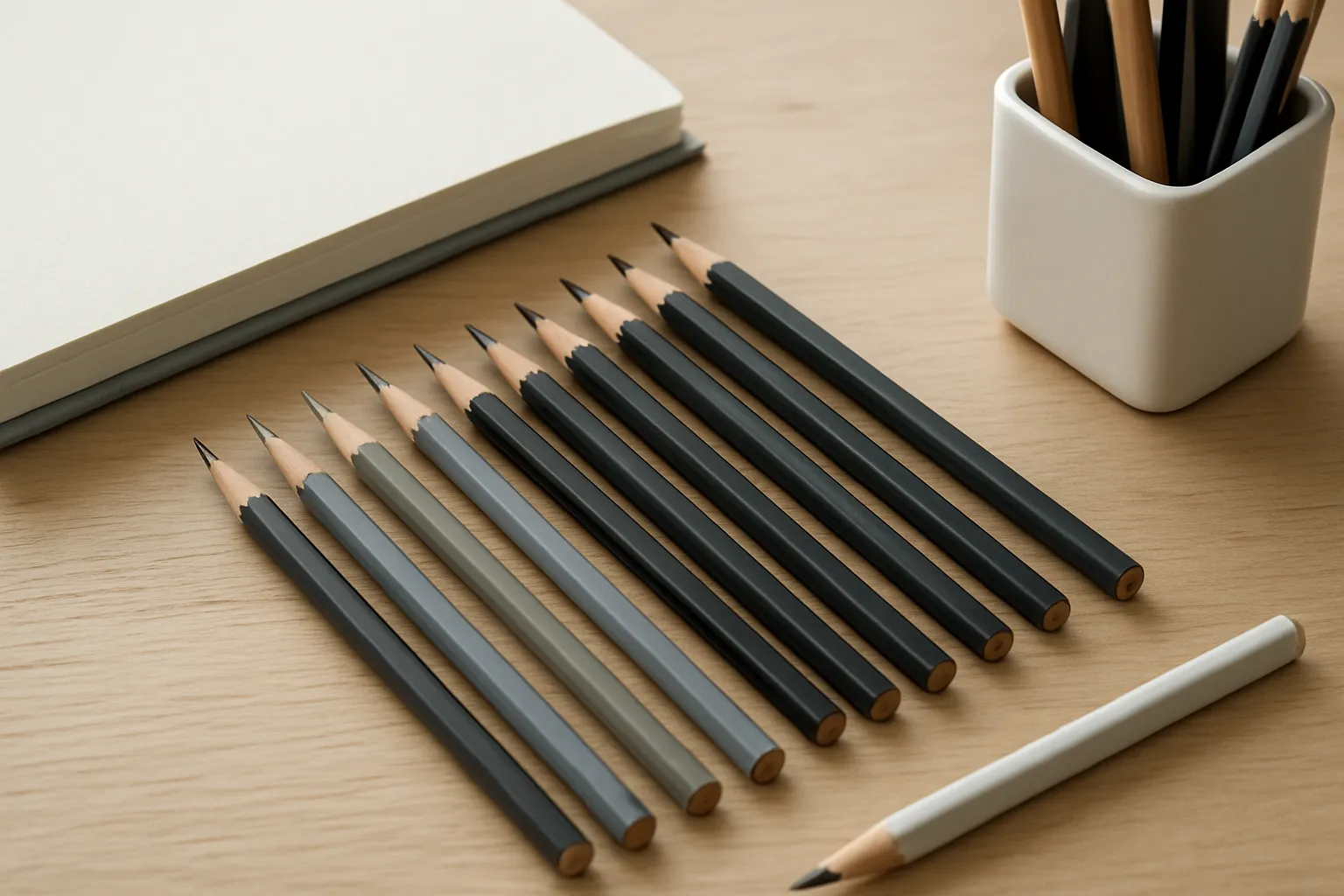
- Graphite Pencils: The most common type of drawing pencil, perfect for sketching and shading. Available in various grades from hard (H) to soft (B), they allow students to explore different techniques and effects.
- Colored Pencils: These vibrant pencils enable children to experiment with color theory and blending. They come in a wide range of hues and can be used for detailed work or broader strokes. For high-quality options, consider the products offered by Kaihua Huawei Stationery Co., Ltd.
- Specialty Pencils: This category includes watercolor pencils, pastel pencils, and charcoal pencils, each offering unique qualities that can enhance children’s artistic capabilities and allow for diverse techniques and styles.
Specifications to Consider
Choosing the right drawing pencils involves several key specifications:
- Pencil Grades and Hardness: Understanding the grading system helps educators select pencils that match students’ skill levels and project requirements. Softer pencils (B grades) produce darker lines, ideal for shading, while harder pencils (H grades) are perfect for fine details.
- Materials and Durability: Pencils made from high-quality wood are more durable and provide a better drawing experience. For schools, investing in durable pencils can reduce replacement costs. For example, the 24-Color Colored Pencil Set is an excellent choice for classrooms.
- Safety Standards for Children: It’s vital to ensure that all drawing pencils meet safety standards, as children often put objects in their mouths. Non-toxic materials and safe design features should be prioritized.
Use Cases in the Classroom
Drawing pencils can be integrated into various classroom activities:
- Drawing Techniques and Exercises: Teachers can introduce students to different drawing techniques using graphite and colored pencils. Exercises such as contour drawing, shading, and blending can significantly enhance their skills.
- Integrating Pencils into Art Curriculum: Pencils can be seamlessly incorporated into the art curriculum, allowing for projects that range from simple sketches to complex illustrations. This integration promotes a comprehensive understanding of art.
- Encouraging Creativity and Expression: By providing a variety of drawing pencils, educators can encourage students to express themselves creatively. The freedom to choose their tools can lead to more personalized and meaningful artwork.
Comparing Popular Brands
When selecting drawing pencils, comparing popular brands can help schools make informed decisions:
- Brand A vs. Brand B: Consider the reputation, range of products, and specific features of leading brands. Brand A may offer a wider selection of colored pencils, while Brand B might excel in graphite options.
- Price vs. Quality Analysis: While budget constraints are a reality for many schools, balancing price with quality is essential. Investing in higher-quality pencils can lead to better student outcomes and longer-lasting supplies.
- User Reviews and Recommendations: Gathering feedback from other educators and art teachers can provide valuable insights into the performance and suitability of different brands.
Sourcing and Procurement
Finding the right suppliers for drawing pencils is essential for schools:
- Where to Buy Drawing Pencils: Schools can purchase drawing pencils from art supply stores, educational suppliers, or online marketplaces. Each option has its benefits, including convenience and variety.
- Bulk Purchasing Options: Many suppliers offer discounts for bulk purchases, significantly reducing costs for schools. This approach allows schools to stock up on essential supplies.
- Evaluating Suppliers: Assessing suppliers based on their reputation, customer service, and delivery options can ensure a smooth procurement process. Schools should also consider the availability of eco-friendly products.
Implementation in Schools
Successfully integrating drawing pencils into schools requires thoughtful implementation:
- Training Teachers on Pencil Use: Providing professional development for teachers on the effective use of drawing pencils can enhance the overall art education experience. Workshops can cover techniques, maintenance, and curriculum integration.
- Organizing Art Supplies: Establishing a systematic approach to organizing art supplies, including drawing pencils, can streamline classroom activities and ensure that students have easy access to the materials they need.
- Creating an Inspiring Art Environment: A well-equipped and inspiring art space encourages creativity. Schools should consider how the layout and availability of drawing pencils can facilitate artistic exploration.
Frequently Asked Questions
- What are the best pencils for beginners?: A set of quality graphite pencils and a basic set of colored pencils are recommended for beginners. This combination allows for various techniques and styles.
- How to maintain and store drawing pencils?: Pencils should be stored in a cool, dry place. Regular sharpening and proper handling can extend their lifespan.
- What to consider when budgeting for art supplies?: Schools should consider the number of students, the range of projects, and the quality of materials when budgeting for art supplies. Allocating funds for durable and safe products is crucial.
Conclusion
Choosing the right drawing pencils for children’s art education is a vital decision for schools aiming to foster creativity and skill development. By understanding the types of pencils available, considering essential specifications, and implementing effective procurement strategies, educators can create a rich artistic environment that inspires young artists. Investing in quality drawing pencils not only enhances the educational experience but also equips students with the tools they need to express their unique perspectives. For further insights into drawing pencils, refer to this industry reference from AZoM.