
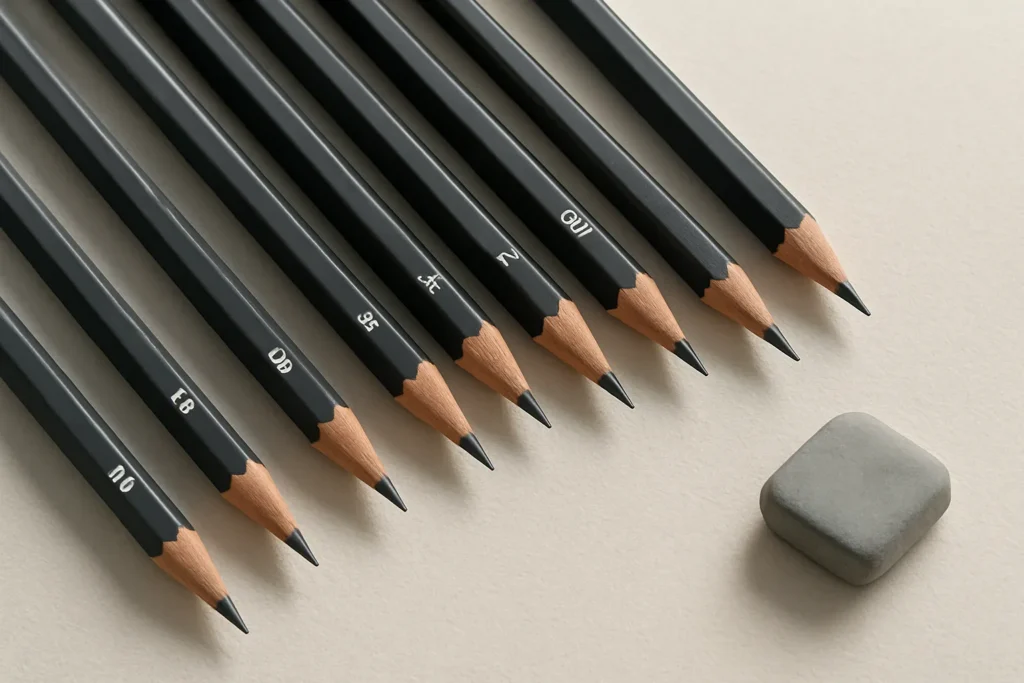
Understanding Drawing Pencils: Hardness Grades Explained
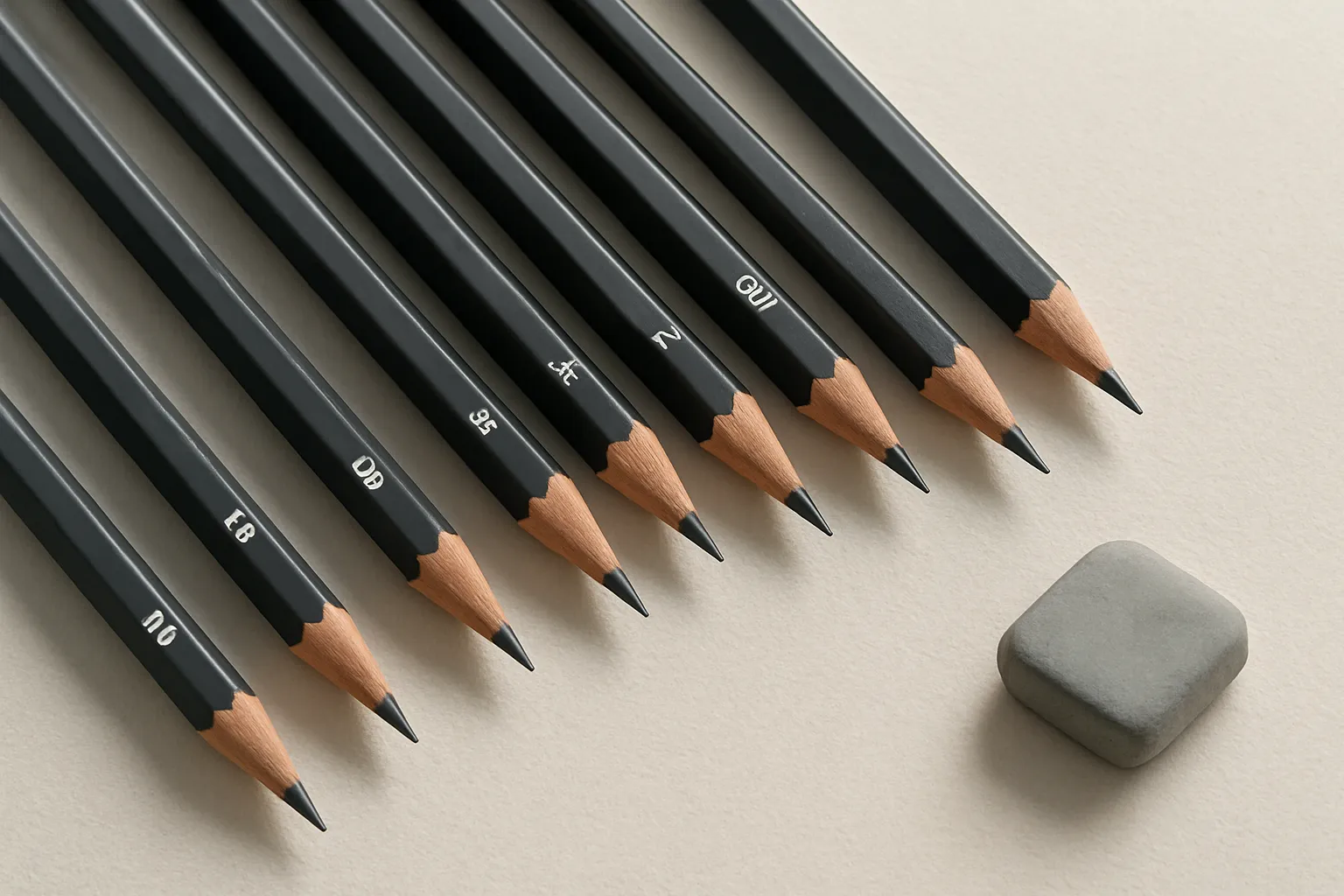
Drawing pencils are indispensable tools for artists, designers, and illustrators. They come in a wide range of types, primarily distinguished by their hardness grades, which significantly affect the artistic outcome. Understanding these hardness grades is crucial; they play a vital role in achieving different textures, shades, and details in artwork. This article explores the various hardness grades of drawing pencils, equipping artists with the knowledge needed to select the right tools for their creative projects.
Understanding Hardness Grades
Hardness grades indicate the softness or hardness of the pencil lead, which directly influences the darkness and texture of the marks made on paper. The hardness of a pencil is typically denoted by a grading scale ranging from H (hard) to B (black/soft), with F (fine point) in between. The scale may also include numbers, such as 2H, HB, or 4B, which further specify the degree of hardness.
In my experience, artists must grasp how these grades affect their techniques. Softer pencils (B grades) produce darker marks, making them ideal for shading, while harder pencils (H grades) yield lighter, more precise lines, perfect for detailed work. This understanding empowers artists to choose the right pencil for their individual needs, enhancing their creative expression. For a variety of options, check out our Products page.
Use Cases for Different Hardness Grades
Different hardness grades serve distinct purposes in the artistic process.
- Soft Pencils for Shading: Soft pencils, typically graded B or higher, are favored for their ability to create rich, dark tones. They excel in producing shadows and gradients, making them ideal for portraiture and any artwork requiring depth and dimension.
- Hard Pencils for Fine Details: In contrast, hard pencils (H grades) are perfect for intricate line work. Their fine point allows for precision in detailed designs, making them suitable for technical drawings or detailed illustrations.
- Blending Techniques with Various Grades: Artists often blend different hardness grades to achieve unique effects. For instance, starting with a soft pencil for shading and transitioning to a hard pencil for highlights can create a balanced and dynamic piece. Understanding how to manipulate these grades can greatly enhance the overall quality of the artwork.
Comparing Hardness Grades
The visual differences in artwork created with varying hardness grades are striking. Softer pencils yield richer blacks and smoother gradients, while harder pencils produce crisp, clean lines. This distinction can significantly influence the overall aesthetic of a piece.
Performance also varies across different mediums. For example, softer pencils may smudge more easily, which can be both a benefit and a drawback depending on the artist’s technique. From what I’ve seen, personal preferences often play a significant role in choice based on style and desired outcomes. Recommendations from seasoned artists can provide valuable insights into which hardness grades work best for various applications.
Sourcing Drawing Pencils
When it comes to sourcing drawing pencils, identifying reputable suppliers and manufacturers is crucial. Key players in the market include renowned brands like Faber-Castell, Derwent, and Prismacolor.
Quality should extend beyond brand reputation; artists should seek pencils that offer consistent hardness and smooth application. Pricing can vary widely, particularly when considering bulk purchasing options. Businesses looking to stock up on drawing supplies should find suppliers that offer competitive pricing without compromising quality. For high-quality options, consider our 136-Color Professional Colored Pencil Set.
Implementing Hardness Grades in Artistic Creation
Choosing the right pencils for specific projects involves understanding the desired outcome. Artists should consider the nature of their work—whether focusing on shading, detail, or a combination of both.
Tips for experimentation include trying different hardness grades on various paper types to see how they interact. Artists should also be mindful of common mistakes, such as relying too heavily on one grade or neglecting to blend different grades for depth.
Frequently Asked Questions
- What are the best hardness grades for beginners? Beginners are often advised to start with a range of pencils, including HB for general use, 2B for shading, and 2H for fine details. This variety allows for a comprehensive introduction to different techniques.
- How do I choose the right pencil for my style? Consider the type of artwork you create. If your focus is on detailed illustrations, opt for harder pencils. For expressive sketches, softer pencils may be more suitable.
- Can I mix different hardness grades in one artwork? Absolutely! Mixing different hardness grades can elevate your artwork, providing contrast and depth. Experimentation is key to discovering what works best for your style.
Conclusion
Understanding the various hardness grades in drawing pencils is vital for any artist looking to refine their craft. By selecting the appropriate pencils based on their hardness, artists can significantly enhance their artistic creation, achieving the desired textures and details in their work. As artists explore the applications of these grades, they will discover that the right tools can elevate their artistry to new heights.
For more information on the importance of pencil hardness, visit Artists Network.